Building a Safe and Supportive Learning Environment at School
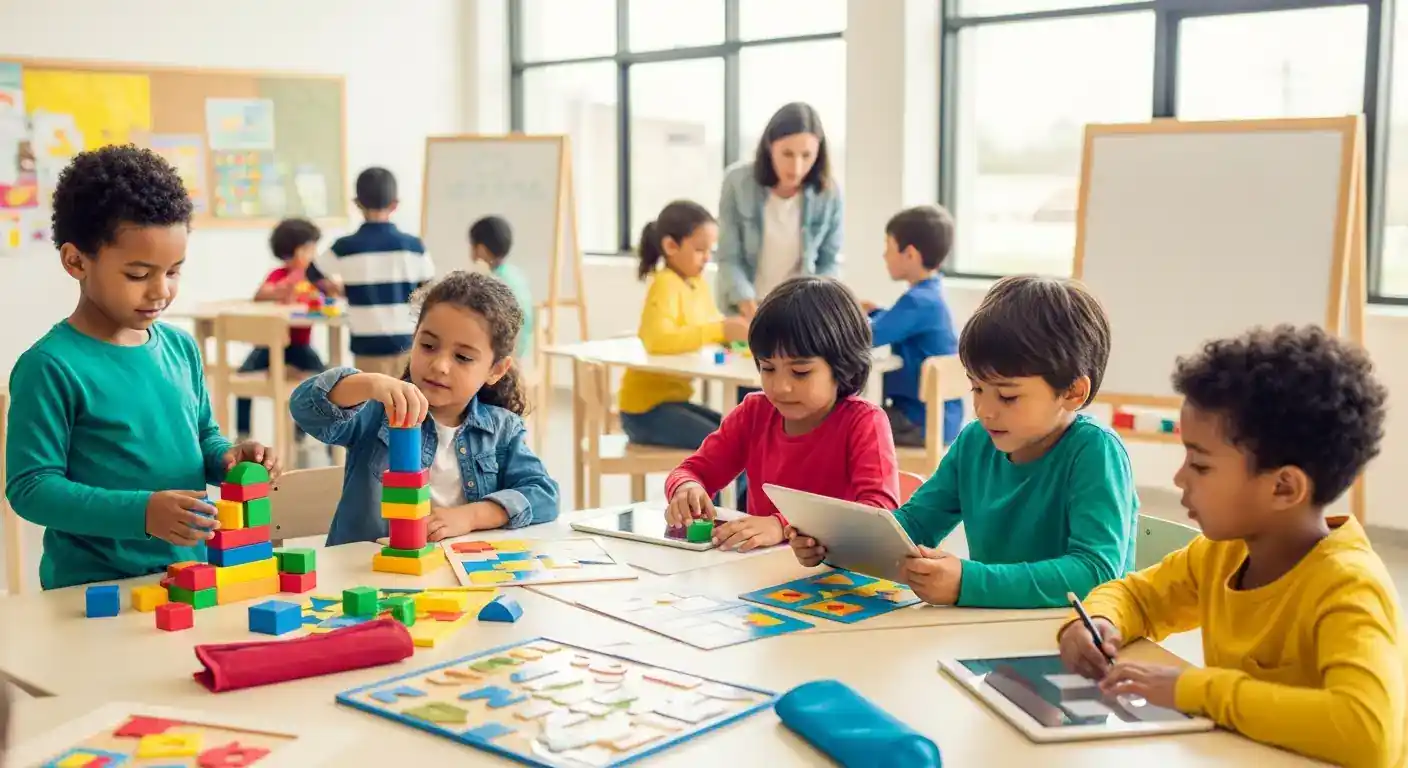
A safe and supportive learning environment is crucial for student success. It empowers students to thrive academically, socially, and emotionally. This environment fosters a sense of belonging and encourages active participation, leading to improved learning outcomes.
Key Points:
- Prioritize physical and emotional safety.
- Foster respectful communication and inclusivity.
- Implement clear behavioral expectations and consequences.
- Encourage student involvement and leadership.
- Partner with families and the community.
Building a Safe Learning Environment: Foundational Practices
A safe and supportive learning environment starts with establishing clear expectations and procedures. This includes addressing both physical safety measures and emotional well-being. Implementing strategies that promote respect, inclusivity, and a sense of belonging are vital for student success.
Physical Safety and Security
Schools must prioritize physical safety through measures like controlled access, security personnel, and emergency preparedness drills. These practices minimize risks and provide a secure foundation for learning. Regularly reviewing and updating safety protocols, informed by best practices and expert recommendations, is crucial.
Emotional Safety and Wellbeing
Creating a safe space for students to express themselves and seek support is equally important. This involves training staff to recognize and address signs of emotional distress, bullying, or harassment. Implementing anti-bullying programs and providing access to counseling services contribute significantly to student wellbeing.
Fostering a Supportive Learning Environment: Cultivating Community
A truly supportive learning environment extends beyond physical and emotional safety. It cultivates a sense of community where students feel respected, valued, and empowered. This requires proactive strategies to promote positive relationships and inclusivity.
Promoting Positive Relationships
Encouraging positive interactions between students and staff is crucial. This includes implementing programs that promote empathy, conflict resolution, and respectful communication. Building a positive school climate where students feel comfortable seeking help and reporting concerns fosters a supportive atmosphere.
Inclusivity and Cultural Responsiveness
Creating an inclusive environment that celebrates diversity is paramount. Schools should actively promote cultural awareness and responsiveness, ensuring all students feel represented and valued. Providing culturally relevant curriculum and resources further enhances the learning experience.
Building Safe and Supportive Environments: Differentiated Approaches
Two key areas often overlooked are incorporating trauma-informed practices and leveraging technology for safety education.
Trauma-informed practices recognize the impact of trauma on students' learning and behavior. Schools implementing these practices provide a more sensitive and supportive environment, contributing significantly to student well-being. (Source: National Child Traumatic Stress Network, 2024)
Leveraging technology for safety education provides engaging and accessible learning experiences. Utilizing online platforms, interactive simulations, and digital resources can effectively address important safety topics, reaching a broader audience and reinforcing key messages. (Source: Journal of School Safety, 2023)
Internal Linking Strategy
- Learn more about bullying prevention (related article).
- Explore resources on classroom management (related article).
- Visit our safety education category for more information (category page).
FAQ: Safe and Supportive Learning Environments
Q1: How can parents contribute to a safe school environment?
A1: Parents can actively participate in school safety committees, communicate openly with school staff, and reinforce positive behavior at home. Staying informed about school policies and supporting school initiatives strengthens the collaborative effort to create a safer environment.
Q2: What are some signs that a student may be experiencing emotional distress?
A2: Changes in behavior, academic performance, social interaction, or physical health can indicate emotional distress. Increased absenteeism, withdrawal, anxiety, or sudden mood swings may warrant further investigation and support.
Q3: How can schools address cyberbullying?
A3: Schools can implement cyberbullying prevention programs, educate students on responsible online behavior, and establish clear reporting procedures. Partnering with families to monitor online activity and providing access to online safety resources are also crucial steps.
Q4: What role does the community play in fostering a safe school environment?
A4: Community involvement through partnerships with local organizations, law enforcement agencies, and mental health professionals can strengthen school safety efforts. Collaboration provides valuable resources and support systems for students and families.
Conclusion: Building a Brighter Future
Building a safe and supportive learning environment requires a collaborative effort. By prioritizing physical and emotional safety, fostering positive relationships, and embracing inclusivity, we empower students to reach their full potential. Let's work together to create schools where every student feels safe, supported, and inspired to learn. Share your thoughts and experiences in the comments below. Subscribe to our newsletter for more resources on safety education. For further reading, explore the National Education Association's resources on school safety.
Future Expansion Topics
- Creating inclusive environments for students with disabilities.
- Addressing the impact of social media on student mental health.
- Implementing restorative justice practices in schools.