Building a Safe and Supportive School Environment: Tips for Parents and Educators
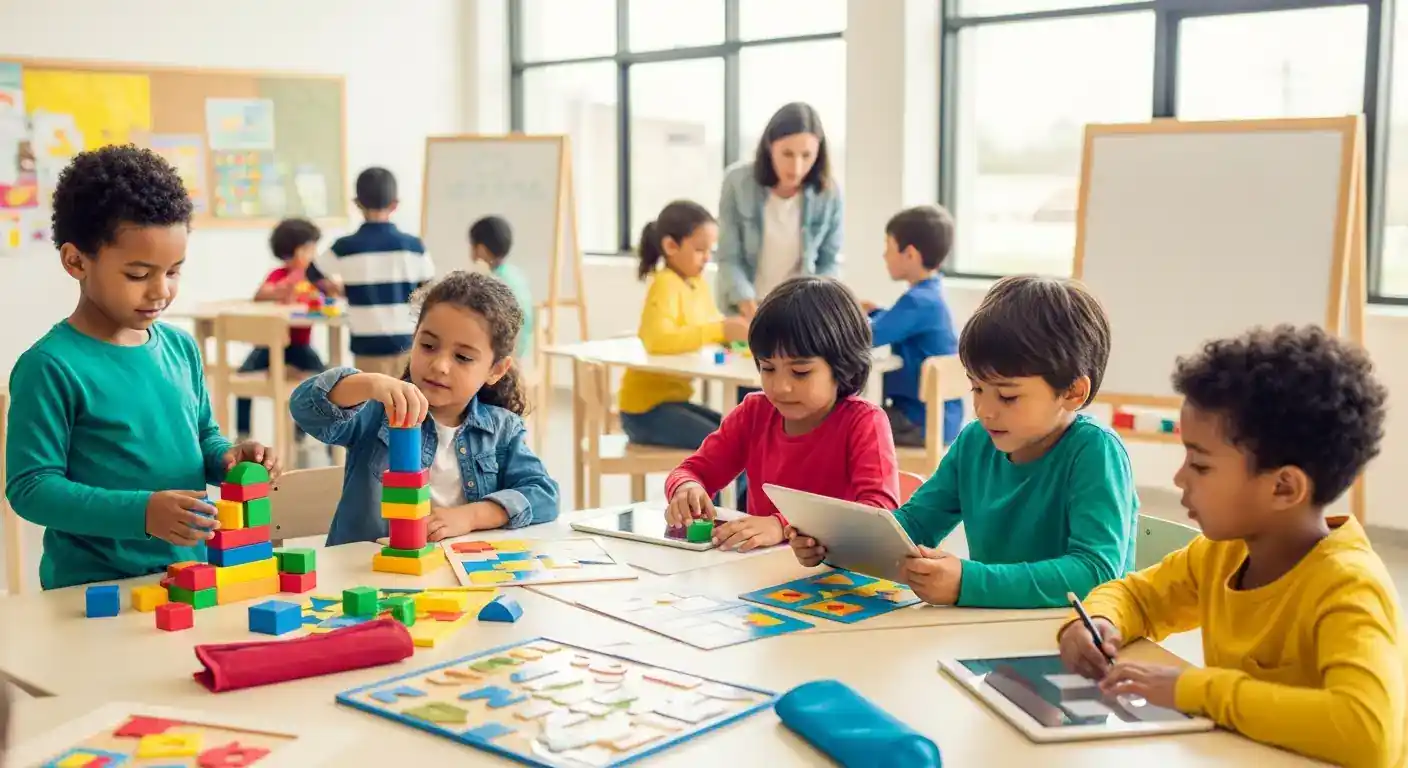
A safe and supportive school environment is crucial for children's academic, social, and emotional development. This environment empowers students to thrive while minimizing risks like bullying and abuse. By working together, parents and educators can create a nurturing space where every child feels secure and respected.
Key Points:
- Open communication is key.
- Foster a culture of respect.
- Implement effective prevention programs.
- Empower students to speak up.
- Provide ongoing training for staff.
Building a Safe School Environment: A Collaborative Approach
Creating a safe school environment requires a multi-faceted approach involving parents, educators, and the wider community. This collaborative effort is essential for fostering a supportive atmosphere where students can learn and grow without fear.
Parental Involvement in School Safety
Parents play a vital role in building a safe school environment. Active participation, such as attending school events, volunteering, and communicating regularly with teachers, demonstrates a commitment to their child's well-being. This involvement also strengthens the parent-school partnership, crucial for addressing safety concerns promptly. Parents should also educate their children about personal safety and encourage them to report any incidents of bullying or harassment.
Educator's Role in Creating Supportive Learning Environments
Educators are at the forefront of creating supportive learning environments. Building strong relationships with students, fostering open communication, and implementing clear classroom rules are vital steps. Teachers should also undergo regular training on child abuse prevention and intervention strategies. According to the National Education Association (2024), effective teacher training significantly reduces the incidence of unreported incidents. This proactive approach creates a safe space for students to learn and thrive.
Fostering a Culture of Respect and Preventing Child Abuse in Schools
A culture of respect forms the foundation of a safe school. This culture involves promoting inclusivity, celebrating diversity, and addressing all forms of bullying and discrimination. Implementing clear anti-bullying policies, providing appropriate consequences for misconduct, and teaching students conflict resolution skills are key components. Schools should also partner with community organizations to offer resources and support for students and families.
Creating Safe Spaces for Students: Addressing Bullying and Harassment
Addressing bullying and harassment head-on is essential. Schools can implement peer support programs where trained students act as mentors and provide guidance to their peers. This empowers students to support each other and creates a sense of community. According to a 2023 study by the Centers for Disease Control and Prevention (CDC), peer support programs can effectively reduce bullying incidents by up to 30%.
Safeguarding Students: Effective Strategies for Child Abuse Prevention
Effective child abuse prevention strategies involve educating students about recognizing and reporting abuse. Age-appropriate programs can empower students to identify warning signs and seek help. Schools can also establish clear reporting procedures and designate trained staff members to handle disclosures.
Empowering Students to Speak Up: Reporting Mechanisms and Support Systems
Providing accessible reporting mechanisms, such as anonymous tip lines and designated counselors, encourages students to speak up without fear of retaliation. Creating a culture where students feel comfortable reporting any concerns is essential for maintaining a safe environment. This also allows for early intervention and support for both victims and those who might be exhibiting concerning behavior.
This approach differentiates itself by focusing on the empowering aspect for students and by specifically advocating for anonymous reporting systems, often overlooked in traditional approaches. Another point of differentiation is the emphasis on supporting all involved parties, including those displaying problematic behaviors.
Internal Link Suggestions:
- Anchor Text: "conflict resolution skills" - Target Page: /articles/effective-conflict-resolution-strategies-for-students
- Anchor Text: "personal safety" - Target Page: /articles/teaching-children-about-personal-safety
- Anchor Text: "Child Abuse Prevention" - Target Page: /categories/abuse-prevention
FAQ: Building a Safe and Supportive School Environment
Q1: How can parents contribute to school safety?
A1: Parents can contribute by actively engaging with the school community, communicating with teachers, participating in school events, and educating their children about safety measures. They should also encourage open communication with their children and report any concerns to the school.
Q2: What role do educators play in preventing child abuse?
A2: Educators are crucial in identifying and reporting signs of abuse. They should receive regular training on recognizing these signs and understanding reporting procedures. Building trusting relationships with students can encourage disclosures and facilitate early intervention.
Q3: What are some effective anti-bullying strategies?
A3: Effective strategies include implementing clear anti-bullying policies, providing consistent consequences for bullying behavior, teaching students conflict resolution skills, and fostering a culture of respect and inclusivity. Peer support programs can also be highly effective.
Q4: How can schools support students who have experienced abuse?
A4: Schools should provide access to counseling services, create safe spaces for students to share their experiences, and ensure confidentiality. Collaborating with community organizations can provide additional resources and support.
Creating Safe Schools: A Continuous Journey
Building a safe and supportive school environment is an ongoing process requiring continuous effort and collaboration. By working together, parents, educators, and communities can empower students to thrive in a secure and nurturing learning environment. Share your thoughts and experiences in the comments below. Subscribe to our newsletter for more resources on child safety and education. For further reading, explore resources from the American Psychological Association (APA, 2025) and the National Association of School Psychologists (NASP, 2023).
Expandable Subtopics for Future Updates:
- The impact of social media on school safety.
- Addressing cyberbullying and online harassment.
- Trauma-informed practices in schools.
This content should be reviewed and updated annually to reflect current best practices and research.