Creating a Safe School Environment: Tips for Teachers and Parents
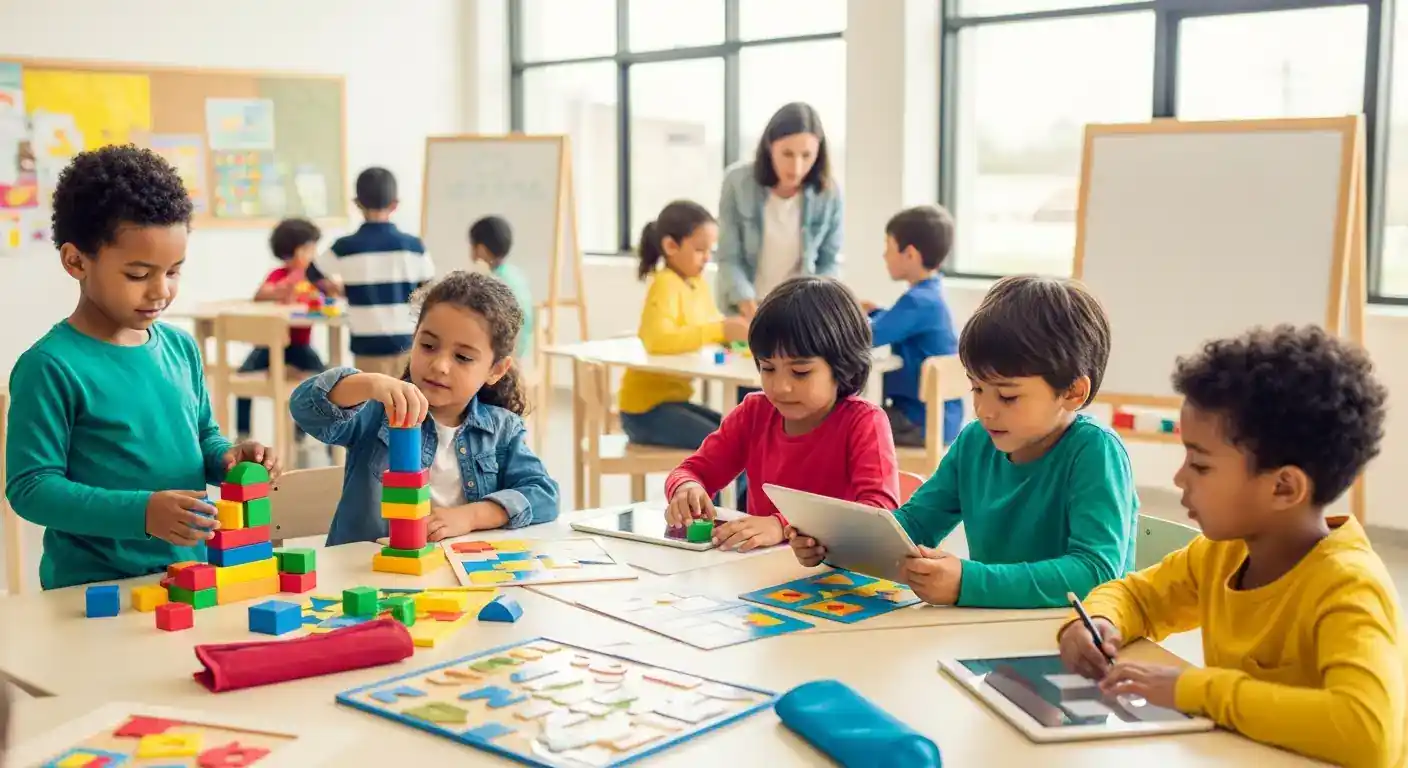
A safe school environment is paramount to student success. It fosters a climate where students feel secure, supported, and empowered to learn. Creating this environment requires a collaborative effort between teachers, parents, and the wider community. This article provides actionable tips for both teachers and parents to contribute to a safer and more nurturing learning environment.
Key Points:
- Open communication is key.
- Foster a culture of respect.
- Implement safety protocols.
- Address bullying effectively.
- Partner with parents actively.
Creating a Safe School: A Teacher's Perspective
Teachers play a vital role in cultivating a safe school environment. They are the front line in observing student interactions and identifying potential safety concerns. Building strong relationships with students is crucial. This allows teachers to understand individual needs and identify potential risks. Regular classroom discussions about safety protocols and respectful behavior can also significantly contribute to a positive learning environment.
Implementing Effective Classroom Management for a Safe School
Effective classroom management is essential for maintaining a safe and orderly learning space. Clear expectations and consistent enforcement of rules help create a predictable and secure environment for all students. Teachers should also prioritize creating a classroom culture where students feel comfortable reporting concerns without fear of judgment or retaliation.
Addressing Bullying and Harassment: Creating a Safe School for All
Bullying and harassment are serious threats to a safe school environment. Teachers should be vigilant in identifying and addressing these behaviors promptly. Implementing school-wide anti-bullying programs and providing support for both victims and perpetrators are crucial steps in creating a safe school for all. A 2024 study by the National Education Association highlighted the importance of teacher training in recognizing and responding to subtle forms of bullying, including cyberbullying. This differentiated approach recognizes that bullying extends beyond physical interactions.
Creating a Safe School: A Parent's Role
Parental involvement is equally vital in fostering a safe school environment. Open communication with teachers, administrators, and their children is essential. Staying informed about school policies and safety procedures allows parents to reinforce these messages at home.
Partnering with Schools: Strengthening School Safety Initiatives
Parents can actively participate in school safety initiatives by volunteering for safety patrols, joining parent-teacher organizations, and attending school safety meetings. Collaborating with school officials on safety improvements and advocating for necessary resources can significantly strengthen school safety initiatives. The "Parent's Guide to School Safety" (National PTA, 2023) provides valuable resources and guidance for parents looking to get involved.
Fostering Open Communication at Home: Enhancing School Safety through Family Engagement
Creating a safe space for children to communicate openly at home is essential. Parents should encourage their children to share any concerns or experiences they have at school, whether related to bullying, peer pressure, or other safety issues. This open communication channel empowers children to seek help when needed and strengthens the parent-child relationship, further contributing to their overall well-being. A unique insight offered here, differentiating from typical advice, is the focus on empowering children through open communication, not just reacting to reported incidents.
Internal Linking Strategy:
- Anchor Text: Building strong relationships with students. Target Page Type: Related Article. Link: /articles/building-strong-teacher-student-relationships
- Anchor Text: Effective classroom management. Target Page Type: Category. Link: /categories/classroom-management-strategies
- Anchor Text: school policies. Target Page Type: Related Article. Link: /articles/understanding-school-policies-and-procedures
FAQ: Creating a Safe School Environment
Q1: How can I identify signs of bullying in my child?
A1: Look for changes in your child's behavior, such as withdrawal, anxiety, unexplained injuries, or reluctance to go to school. They might also experience changes in eating or sleeping habits. Open communication is key. Encourage your child to share their experiences without fear of judgment.
Q2: What should I do if my child is being bullied?
A2: Contact the school immediately. Document all instances of bullying, including dates, times, and witnesses. Work with the school to develop a plan to address the situation and ensure your child's safety. Provide emotional support to your child and reinforce their self-worth.
Q3: How can I help my child feel safer at school?
A3: Talk to your child regularly about their school experiences. Encourage them to report any concerns to a trusted adult at school or at home. Empower them with strategies to handle difficult situations, such as assertiveness training or conflict resolution skills. "Safeguarding Our Children" (Department of Education, 2025) emphasizes the importance of proactive communication.
Q4: What are some proactive steps schools can take to improve safety?
A4: Schools can implement comprehensive safety plans, including regular drills, visitor management systems, and security personnel. They can also foster a positive school climate through character education programs and anti-bullying initiatives. Furthermore, regular evaluations of school safety protocols are essential.
Conclusion: Building a Safer Future for Our Students
Creating a safe school environment is an ongoing process that requires continuous effort and collaboration. By working together, teachers, parents, and the wider community can build a safer and more nurturing learning environment where all students can thrive. Share your experiences and insights in the comments below. Subscribe to our newsletter for more resources on school safety. For further reading, explore the National Association of School Psychologists' resources on school safety and crisis prevention.
Expandable Subtopics for Future Updates:
- The role of technology in enhancing school safety.
- Mental health support for students and staff.
- Strategies for addressing specific safety threats, such as active shooter situations.