Empowering Children with Stranger Danger Skills: Identifying Safe Adults and Tricky Situations
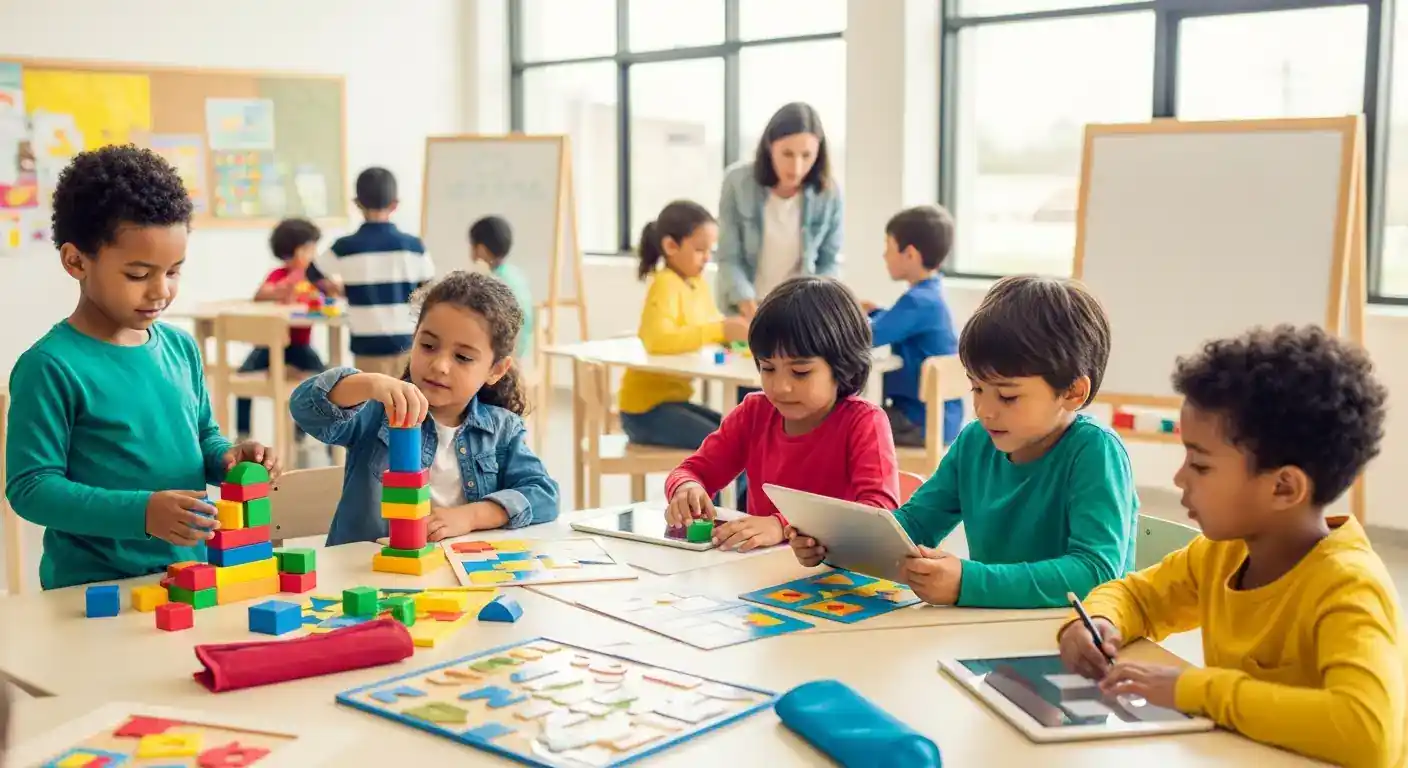
Empowering Children with Stranger Danger Skills: Identifying Safe Adults and Tricky Situations
Ensuring our children's safety in an unpredictable world is a paramount concern for every parent and caregiver. While the traditional concept of "stranger danger" has been a cornerstone of child safety education for decades, modern approaches emphasize empowering children with stranger danger skills that focus on behavior rather than just familiarity. This shift helps children confidently identify safe adults and skillfully navigate tricky situations, rather than instill undue fear of all unfamiliar people. By providing practical tools and fostering open communication, we can equip our kids with the knowledge to make smart decisions and seek help when they need it most.
Key Points:
- Focus on Behavior, Not Just Strangers: Teach children about "tricky behaviors" from anyone, not just unfamiliar faces.
- Identify Safe Adults: Help kids recognize trusted individuals and designated community helpers.
- Recognize Tricky Situations: Provide clear examples of scenarios that require caution and action.
- Practice Response Strategies: Role-play scenarios like "No, Go, Yell, Tell" to build confidence.
- Foster Open Communication: Encourage children to share any uncomfortable interaction without fear.
Shifting the Paradigm: From "Stranger Danger" to "Stranger Safety"
The notion of "stranger danger" is a fundamental component of child safety education, but contemporary understanding suggests a more nuanced approach. Instead of teaching children to fear all strangers, which can often be counterproductive if they need help from an unfamiliar person in an emergency, the focus has shifted to empowering children with stranger danger skills that emphasize recognizing "tricky people" and "tricky situations." This refined strategy helps children understand that a threat isn't always from a menacing, unknown figure, but often from someone who might seem friendly or even familiar, engaging in inappropriate behaviors.
The "Tricky People" Concept
The "tricky people" concept empowers children to identify dangerous behaviors rather than focusing solely on who a person is. It teaches them that tricky people, whether known or unknown, might ask for secrets, offer gifts to entice them, or ask for help with something an adult should do themselves. This distinction is crucial because it prepares children for a wider range of potential threats. The aim is to make children aware that inappropriate actions are the danger, not simply the status of being a "stranger."
Why Behavior Matters More Than Familiarity
A significant advancement in child safety education is the emphasis on behavior over familiarity. Children are taught to trust their gut feelings – that internal alarm bell that rings when something feels wrong. This skill is vital because most instances of child harm come from someone known to the child, rather than a complete stranger. By focusing on identifying behaviors that make them feel uncomfortable, rather than just the person's identity, children gain a more robust protective framework. Encouraging children to articulate how a situation makes them feel is a powerful tool for personal safety.
Identifying Safe Adults for Children
A cornerstone of empowering children with stranger danger skills is helping them distinguish genuinely safe adults from those who might pose a risk. This involves creating a clear, pre-established network of trusted individuals and teaching children how to identify help in public spaces. Knowing exactly who to turn to can significantly reduce a child's vulnerability in an uncertain moment.
The Circle of Trust: Who to Approach
Establish a clear "Circle of Trust" with your child. This includes family members, close friends, teachers, and other adults you have explicitly designated as safe. Review this list regularly and role-play scenarios where your child might need to seek help from these individuals. It’s important for children to understand that these are the first people they should turn to in an emergency or when feeling uncomfortable.
Visual Cues of Safe Adults in Public
When outside their immediate "Circle of Trust," children need practical guidelines for identifying safe adults. Teach them to look for people who are visibly working, such as:
- Police Officers: In uniform.
- Firefighters: In uniform.
- Store Clerks: Wearing a uniform or name tag, behind a counter.
- Librarians: Often at a desk, with a name tag.
- Parents with Children: This can often be a safe choice, as another parent is likely to be sympathetic and helpful.
Emphasize that these individuals are often busy helping others and are easily identifiable as official helpers. This visual guidance provides clear, actionable steps for a child.
The Importance of Designated Safe Spots
Beyond safe adults, it's beneficial to identify "safe spots" in your community. These could be local libraries, fire stations, or specific stores where employees are trained to assist children. Discuss with your child which places near home, school, or frequent destinations serve as safe havens. Having these pre-identified locations reinforces their sense of security and gives them a destination if they feel lost or threatened.
Navigating Tricky Situations: Scenarios and Responses
Part of empowering children with stranger danger skills involves preparing them for real-world scenarios that might make them feel uneasy or unsafe. It’s not just about avoiding people, but about knowing how to respond effectively when faced with an uncomfortable or dangerous situation.
Common Tricky Scenarios
Discuss specific examples of situations that might be tricky:
- An adult asking a child for help finding a lost pet.
- Someone offering a ride or candy.
- An adult telling a child their parent is hurt and sent them to pick them up.
- Someone asking a child to keep a "secret" from their parents.
For each scenario, talk through why it's tricky and what the appropriate response should be. Understanding these subtle manipulations is key for children.
The "No, Go, Yell, Tell" Rule
This easy-to-remember rule provides a clear action plan for children:
- No: Say "No!" loudly and firmly if someone tries to touch them inappropriately or makes them feel uncomfortable.
- Go: Run away as fast as they can to a safe adult or a safe place.
- Yell: Shout loudly to attract attention, using phrases like "This isn't my mom/dad!" or "Help!"
- Tell: Immediately tell a trusted adult what happened, no matter how small or insignificant it might seem.
According to a 2024 Child Safety Institute report, consistent practice of this rule through role-playing significantly increases a child's confidence and likelihood of effective response in real-life situations. This framework is a practical guide for children to use their voice and body to protect themselves.
Practicing Responses Through Role-Playing
Role-playing is an incredibly effective way to build confidence and muscle memory for these skills. Act out various tricky scenarios with your child, letting them practice saying "No," running, and seeking help. This makes the concepts less abstract and more applicable to real-life situations. Make it a regular, non-scary activity to reinforce their learning. Consistent practice in a safe environment helps solidify these vital lessons.
Communicating Effectively: Age-Appropriate Strategies
Effective communication is the bedrock of empowering children with stranger danger skills. The way we discuss these sensitive topics needs to be tailored to a child's developmental stage, ensuring they understand without being unduly frightened.
Tips for Talking to Younger Children
For preschoolers and early elementary children, keep discussions simple, direct, and positive. Use stories, puppets, or simple drawings to illustrate concepts. Focus on empowerment – "You are in charge of your body," "It's okay to say no to adults who make you feel uncomfortable." Avoid overly graphic descriptions. Repetition in various contexts helps embed these messages.
Engaging Older Children and Teens
With older children and teenagers, conversations can delve deeper into online safety, consent, and peer pressure. Discuss the nuances of social media interactions and the risks of sharing personal information. Emphasize that seeking help is a sign of strength, not weakness. Encourage them to trust their instincts and report anything that feels off, whether online or in person. Here, a more mature dialogue helps them navigate complex social dynamics.
Leveraging Technology and Community for Safety
Modern safety education extends beyond traditional face-to-face interactions. Integrating technology and community resources can significantly enhance a child's safety network. For instance, creating family safety words or codes can be a powerful tool. A designated "safe word" that only trusted adults and your child know can verify an unexpected pickup situation. If someone unfamiliar comes to pick up your child claiming you sent them, the child should ask for the safe word. If it’s not provided correctly, they know not to go with that person. This innovative approach, often recommended by modern child protection agencies (e.g., National Center for Missing and Exploited Children, 2023 guidelines), adds an extra layer of verification that empowers children to challenge unfamiliar adults and ensures their safety through a simple yet effective system.
The Power of Intuition: Teaching Children to Trust Their Gut
One of the most valuable stranger danger skills you can teach your child is to trust their intuition, often called their "gut feeling." This internal alarm system is a powerful protective mechanism. Explain that if a person or situation makes them feel uncomfortable, scared, or uneasy, even if they can't articulate why, that's a sign to remove themselves from the situation and seek help. According to child psychologists, developing this sense of self-preservation is more effective than memorizing a long list of rules. Encourage them to talk about their feelings and validate their instincts, reinforcing that their feelings are valid indicators of potential danger.
Frequently Asked Questions (FAQ)
Q: How do I teach my child about "tricky people" without making them scared of everyone? A: Focus on specific behaviors (e.g., asking for secrets, offering rides without permission) rather than categorizing people as simply "good" or "bad." Emphasize that many people are kind and helpful, but children need to be smart about who they trust. Use positive reinforcement for good safety choices and keep discussions calm and empowering.
Q: What if my child is shy and doesn't want to "yell" or "run"? A: Acknowledge their feelings and practice in a safe environment. Start with quiet responses, then gradually encourage louder ones. Emphasize that in an emergency, safety is the priority, even if it feels uncomfortable. Role-playing helps them build confidence in using their voice and body for self-protection.
Q: Should I tell my child they can never talk to strangers? A: No, this can be counterproductive. Instead, teach them how to interact safely with strangers, especially when they need help (e.g., approaching a uniformed police officer or a parent with children in a store). The key is to teach discretion and the difference between a potentially helpful stranger and a "tricky person."
Q: How often should we discuss stranger safety? A: Regular, brief conversations are more effective than infrequent, intense lectures. Integrate safety talks into everyday situations, like walking home from school or visiting a new place. Reinforce these lessons as children grow and their environments change, adapting the discussion to their age and understanding.
Conclusion: Building a Foundation of Confidence and Safety
Empowering children with stranger danger skills: identifying safe adults and tricky situations is an ongoing, vital process. By moving beyond fear-based messaging and adopting a proactive, behavior-focused approach, we equip our children with the confidence and practical tools they need to navigate the world safely. Open communication, consistent reinforcement, and practice are the cornerstones of this education. Remember, the goal is not to frighten them, but to make them resilient, aware, and capable of protecting themselves.
Your child's safety is a shared journey. Continue these conversations, adapt them as your child grows, and reinforce their ability to make smart choices.
What are your thoughts on modern stranger safety strategies? Share your tips in the comments below!
Extended Reading and Future Exploration:
- Understanding Online Predators: Learn more about digital safety for children and identifying online risks.
- Bullying Prevention: Strategies for fostering resilience and dealing with bullying in various forms.
- First Aid for Kids: Essential knowledge for children to respond to minor injuries and emergencies.
Timeliness and Updates:
This article reflects current best practices in child safety education as of October 2025. Child safety recommendations evolve with new research and societal changes. We recommend reviewing updated guidelines from leading child protection organizations annually for the most current advice. This article will be reviewed and updated by October 2026 to ensure continued accuracy and relevance.