Empowering Kids with Safety Strategies: Recognising Tricky People and Trusting Instincts
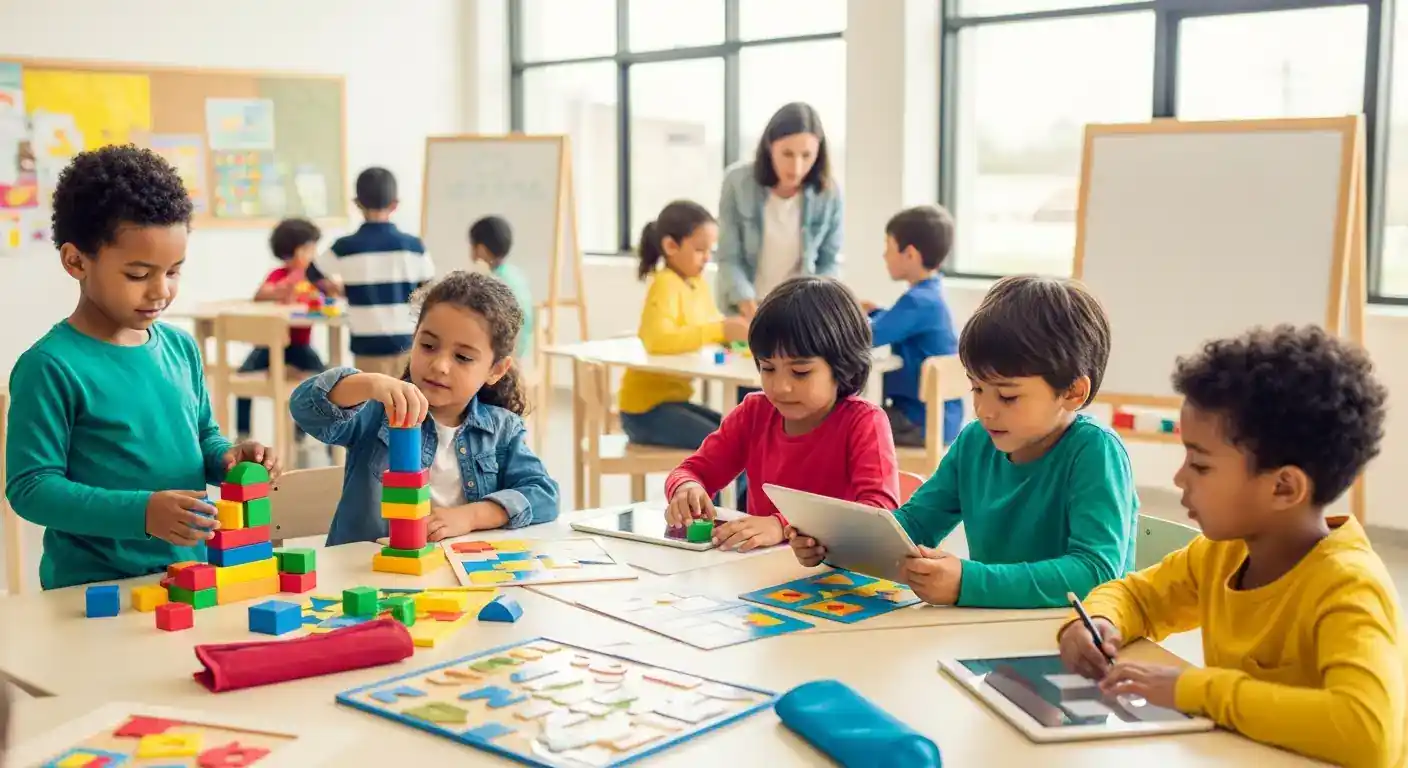
In today's complex world, teaching children about personal safety goes beyond simple "stranger danger" rules. It's about empowering kids with safety strategies that equip them with critical thinking, problem-solving skills, and the confidence to trust their inner voice. This comprehensive guide will explore how to help children identify potentially tricky situations and individuals, fostering an environment where they feel capable of protecting themselves. By moving beyond fear-based lessons, we can raise resilient, aware, and proactive children.
Key Points for Child Safety:
- Differentiate "Tricky People" from "Strangers": Understand that danger isn't always obvious.
- Teach the "Go-No-Go" Instinct: Encourage children to listen to their gut feelings.
- Establish a "Safety Network": Identify trusted adults and safe places.
- Practice Scenario-Based Learning: Rehearse responses to various situations.
- Prioritize Open Communication: Create a judgment-free space for children to share.
Understanding the Concept of "Tricky People"
The traditional "stranger danger" message, while well-intentioned, often falls short in preparing children for real-world scenarios. It can inadvertently make children wary of all unknown adults, even helpful ones like police officers or lost tourists. More importantly, it doesn't address the fact that harm often comes from individuals known to the child, or from those who appear friendly and trustworthy. This is where the concept of "tricky people" becomes invaluable in empowering kids with safety strategies.
A "tricky person" isn't necessarily a bad person, but someone who tries to get a child to do something that feels wrong, secret, or makes them uncomfortable. They might use various tactics, such as asking for help, offering gifts, or creating a sense of urgency. The key is to teach children to recognize the behaviour, not just the person. This nuanced approach helps children develop a more sophisticated understanding of personal boundaries and safety.
Equipping Children to Recognize Tricky Behaviors
Empowering kids with safety strategies involves giving them concrete examples of what "tricky" behavior might look and sound like. It's crucial to discuss these scenarios in a calm, age-appropriate manner, without instilling fear.
Here are common "tricky behaviors" to discuss:
- Asking for Secrecy: "Don't tell your parents about this special game we played."
- Seeking Help with an Adult Problem: "I've lost my puppy, can you help me find it in my car?" (Adults should ask other adults for help).
- Offering Special Treats or Gifts: "Come with me, I have a new video game/candy just for you."
- Pressuring or Rushing: "Hurry, we need to go now, your mom said it's okay."
- Asking for Personal Information Online: "What's your full name, address, and what school do you go to?"
Teaching children that adults should never ask children for help with adult problems, secrets, or to go somewhere without a parent's explicit permission is foundational. This shifts the focus from judging a person's appearance to evaluating their actions. For instance, according to a 2023 report by the National Center for Missing and Exploited Children, a significant percentage of child abductions involve individuals known to the child or who lure them using deceptive, non-threatening tactics.
The Power of Trusting Instincts: The "Go-No-Go" Feeling
One of the most potent tools in empowering kids with safety strategies is teaching them to trust their gut feelings. This is often referred to as the "go-no-go" instinct. If a situation or a person makes them feel uncomfortable, scared, or even just a little bit "weird," that's their body sending a vital safety signal.
Encourage children to articulate these feelings. Ask them, "How does that make your tummy feel?" or "What does your brain tell you about this?" Validate their feelings, regardless of whether a perceived threat was real. The goal is to reinforce that their instincts are powerful protective mechanisms. Emphasize that it's always okay to say NO to an adult, even if it feels impolite, if something doesn't feel right. This "no means no" principle extends far beyond just "tricky people" and is a critical aspect of boundary setting.
How to Help Kids Tune Into Their Instincts:
- Start Small: Discuss feelings in everyday situations. "How did you feel when that loud dog barked at you?"
- Use Stories: Read books or watch age-appropriate shows that highlight characters trusting their instincts.
- Role-Play: Create scenarios where they practice feeling uncomfortable and then acting on that feeling (e.g., running away, yelling).
- Listen Actively: When a child expresses discomfort, take them seriously and discuss it without judgment.
- Explain the "Uh-Oh" Feeling: Describe the physical sensations: rapid heartbeat, tense muscles, feeling butterflies in the stomach.
Building a Strong Safety Network and Communication Channels
A child's safety network is their circle of trusted adults they can turn to in an emergency. This goes hand-in-hand with empowering kids with safety strategies. This network should include parents, other close family members, teachers, school counselors, and trusted neighbors. Ensure children know who these people are, how to contact them, and where to find them.
It's also vital for children to understand what to do if they encounter a tricky person or situation while out and about. We also explore these aspects of preparedness when discussing comprehensive transportation safety, ensuring children are ready for various challenges.
Establishing a Safety Network:
- Identify 3-5 Safe Adults: Help your child name these people and why they are trusted.
- Designate Safe Places: Point out places like libraries, specific stores, or a friend's house where they can go for help.
- Create a "Code Word": A secret family word that only trusted individuals would know. If someone tries to pick them up, they must use the code word.
- Emergency Contacts: Ensure they know how to call 911 or their parents/guardians.
Fostering Open Communication:
The most powerful safety tool is an open line of communication between children and their caregivers. Create an environment where children feel comfortable sharing anything, without fear of punishment or judgment. Regularly check in with questions like, "What was the trickiest thing that happened today?" or "Did anyone ask you to do something that felt strange?" This dialogue strengthens their safety strategies.
Based on insights from a 2024 UNICEF report on child protection, consistent and empathetic conversations about personal safety are more effective than one-off lectures. They build resilience and confidence over time. This approach also allows for discussing more sensitive topics, like inappropriate touching, by framing it around "tricky secrets" that make them feel bad, rather than good.
Differentiated Strategies: Online Safety and Modern Scenarios
Beyond physical interactions, empowering kids with safety strategies must now extend to the digital realm. The internet introduces its own set of "tricky people" who may use online games, social media, or messaging apps to exploit children.
- Digital Boundaries: Teach children never to share personal information (full name, address, school, photos) with online strangers.
- Stranger Danger Online: Explain that online profiles can be faked, and people are not always who they say they are.
- Reporting Tools: Show them how to block, report, and tell a trusted adult about anything that makes them uncomfortable online.
- "Screenshot and Tell": Encourage them to take a screenshot and immediately show a parent any concerning messages or images.
Furthermore, we must prepare children for modern scenarios beyond just direct interaction. What if they are separated from you in a crowded place? What if a friend asks them to do something that feels wrong? These nuances require problem-solving skills, not just rote memorization of rules. For more insights on how children can build self-assurance in varied situations, consider reading our article on building resilience in children: emotional strength for life's challenges.
Practicing and Reinforcing Safety Skills
Safety skills are like any other skill; they require practice. Regular, gentle reinforcement helps children internalize these empowering kids with safety strategies.
Effective Practice Methods:
- Role-Playing: Act out different scenarios, allowing the child to practice saying "no," running, or finding a safe adult. Make it a game, not a scare tactic.
- "What If" Games: Discuss hypothetical situations. "What if a stranger offered you a ride home from school?" or "What if someone you know asked you to keep a secret that made you feel bad?"
- Reviewing Emergency Plans: Regularly go over your family's safety plan, including code words and emergency contacts.
- Positive Reinforcement: Praise your child for demonstrating safety awareness, for telling you about something that made them uncomfortable, or for making a safe choice.
By embedding these practices into daily life, we help children develop a strong foundation of personal safety, making them less vulnerable and more capable guardians of their own well-being. This ongoing dialogue ensures that safety strategies remain current and relevant, adapting to new challenges as children grow.
FAQ Section
Q: What is the main difference between "stranger danger" and "tricky people"?
A: "Stranger danger" broadly labels all unknown individuals as potentially dangerous, which can be limiting and fear-inducing. "Tricky people" focuses on specific behaviors that are manipulative or inappropriate, regardless of whether the person is known or unknown. This allows children to identify danger by actions, rather than just by a person's familiarity.
Q: How can I teach my child to trust their gut instinct without making them overly anxious?
A: Focus on validating their feelings, explaining that their body sends signals to keep them safe. Use calm, age-appropriate language and simple analogies, like an "uh-oh" feeling. Practice through role-playing and "what if" scenarios in a fun, non-scary way, always reinforcing that it's okay to feel uncomfortable and to speak up.
Q: What should a child do if a "tricky person" approaches them?
A: Children should be taught to immediately say "NO" firmly, run away to a safe adult or safe place (like a store with other people), yell loudly, and then tell a trusted adult what happened as soon as possible. Emphasize that it's crucial to report the incident, no matter how small it seems.
Q: How can parents stay updated on new safety strategies, especially concerning online risks?
A: Parents should regularly seek information from reputable child safety organizations, educational institutions, and government resources that focus on online safety. Reviewing and updating family rules for screen time and internet usage is also important, along with maintaining open communication with children about their online experiences.
Conclusion: Fostering Confidence and Lifelong Safety
Empowering kids with safety strategies is an ongoing journey that requires patience, open communication, and consistent reinforcement. By focusing on the concept of "tricky people" and helping children tune into their instincts, we move beyond fear-based reactions toward proactive self-protection. This comprehensive approach, encompassing both physical and digital safety, provides children with the confidence and tools they need to navigate the world safely.
We encourage you to continue these vital conversations with your children, adapting strategies as they grow and encounter new situations. Share your experiences and questions in the comments below to help build a supportive community for child safety. For further reading, explore resources on child development and safety from organizations like the National Center for Missing and Exploited Children. Regular updates and discussions are key to ensuring our children are well-prepared for life's challenges.
Future Related Subtopics for Expansion:
- Cyber Safety for Teens: Navigating Online Predators and Digital Footprints
- The Role of Consent in Child Safety Education: Beyond "No Means No"
- Travel Safety for Kids: Preparing for Family Vacations and Public Transportation