Playground Safety Checklist: Protecting Kids from Common Injuries
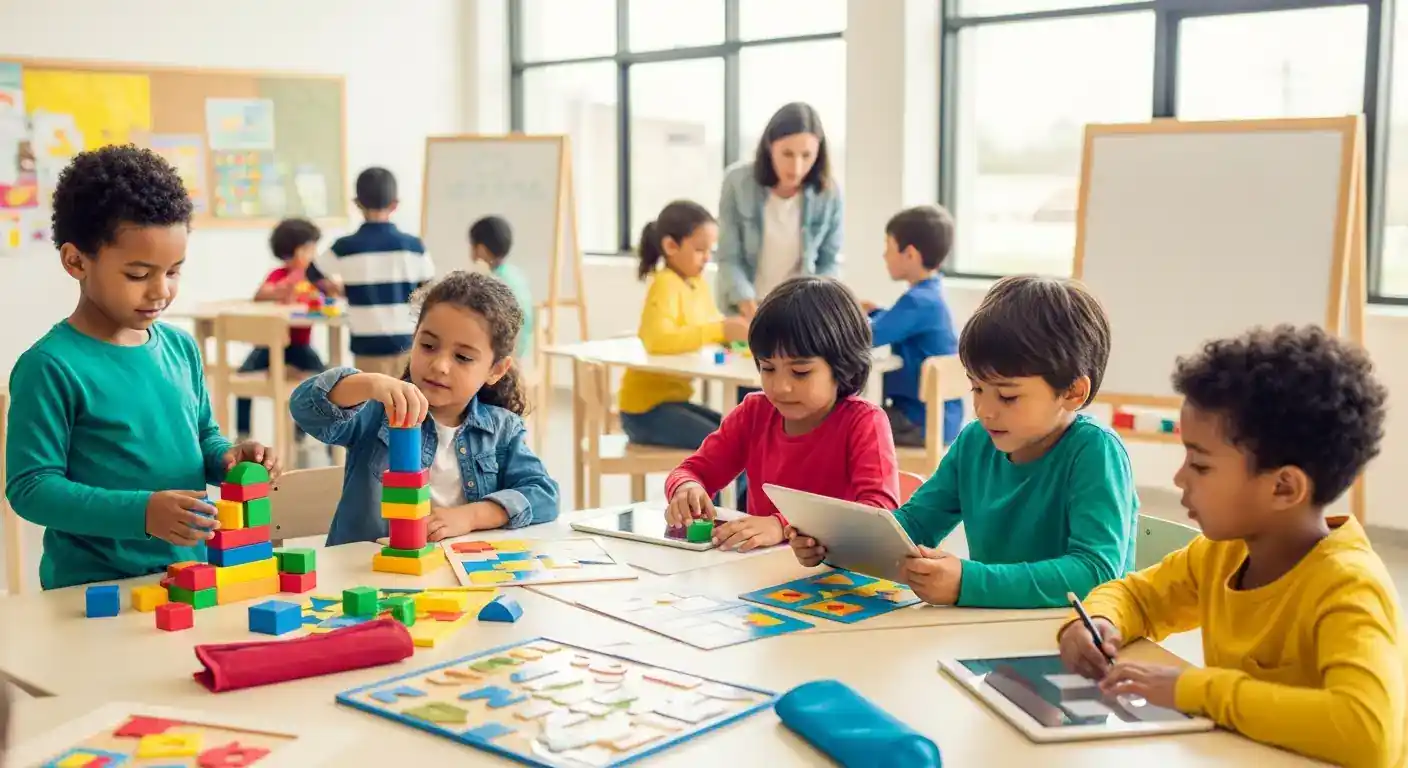
Playgrounds offer kids a vital space for fun, exercise, and social development. However, playground safety is crucial to prevent common injuries. This comprehensive playground safety checklist empowers caregivers to create a secure play environment, minimizing risks and maximizing enjoyment.
Key Points:
- Inspect playground equipment regularly.
- Ensure proper surfacing beneath equipment.
- Supervise children actively.
- Dress children appropriately for play.
- Teach children playground safety rules.
Playground Safety Checklist: Reducing Risks of Common Injuries
A well-maintained and supervised playground drastically reduces the risk of common injuries like falls, fractures, and head trauma. This checklist provides actionable steps to ensure playground safety.
Inspecting for Playground Safety
Regular inspections are vital for maintaining playground safety. Check for broken equipment, sharp edges, protruding bolts, and loose parts. Report any hazards immediately to the relevant authorities. A 2024 study by the National Program for Playground Safety (NPPS) highlighted that regular inspections significantly reduce injury rates.
Surface Safety for Injury Prevention
Soft, impact-absorbing surfaces are crucial for minimizing injuries from falls, a common playground accident. Ensure adequate depth of materials like wood chips, mulch, or rubberized surfaces. Avoid hard surfaces like concrete or asphalt. The U.S. Consumer Product Safety Commission (CPSC) recommends specific surface depths based on equipment height.
Active Supervision: A Key to Playground Safety
- Constant Supervision: Never leave young children unattended on the playground. Actively supervise their play and ensure they use equipment appropriately.
- Age-Appropriate Play: Encourage children to use equipment designed for their age and developmental stage.
- Safe Distance: Teach children to maintain a safe distance from swings and other moving equipment.
Creating a Safe Playground Environment: Beyond the Checklist
While the checklist provides a solid foundation, further measures enhance playground safety.
Dressing for Safe Play
- Clothing: Avoid loose clothing or drawstrings that can get caught on equipment.
- Footwear: Encourage closed-toe shoes for better grip and protection.
- Accessories: Remove necklaces, scarves, and other items that could pose a strangulation hazard.
Educating Children about Playground Safety
- Rules and Guidelines: Establish clear playground rules, such as no pushing, shoving, or crowding.
- Equipment Usage: Teach children the proper way to use each piece of equipment.
- Reporting Hazards: Encourage children to report any broken equipment or unsafe conditions.
This approach to playground safety goes beyond simply inspecting the physical environment. It emphasizes active supervision and education, two crucial elements often overlooked. According to a 2023 report by Safe Kids Worldwide, educating children about playground safety significantly reduces risky behavior.
Playground Safety FAQs
Q1: How often should playgrounds be inspected?
A1: Playgrounds should be inspected daily for hazards and undergo a thorough professional inspection at least annually. Regular checks ensure prompt identification and repair of potential dangers.
Q2: What is the recommended surfacing material for playgrounds?
A2: Recommended materials include wood chips, mulch, sand, pea gravel, and rubberized surfaces. The CPSC provides guidelines on appropriate surfacing depths based on equipment fall heights.
Q3: How can I make my home playground safer?
A3: For home playgrounds, apply the same principles: regular inspections, safe surfacing, and active supervision. Choose age-appropriate equipment and create a designated play area away from hazards.
Q4: What are some common playground injuries to watch out for?
A4: Common injuries include falls, fractures, sprains, cuts, and head trauma. Being vigilant about potential hazards and enforcing safety rules helps minimize these risks.
Taking Action for Playground Safety
Promoting playground safety requires a collaborative effort. By following this checklist, actively supervising children, and educating them about safe play, we can create enjoyable and secure play environments. Share this information with other parents and caregivers and advocate for safe playgrounds in your community. Let's work together to make playtime safe and fun for all children.
Internal Linking Suggestions:
- Anchor Text: "digital safety" Link Target: /categories/digital-safety (Category)
- Anchor Text: "online safety for kids" Link Target: /articles/online-safety-for-kids (Related Article)
- Anchor Text: "internet safety tips for families" Link Target: /articles/internet-safety-tips-for-families (Related Article)
Expandable Subtopics for Future Updates:
- Playground safety for children with disabilities.
- Designing inclusive and accessible playgrounds.
- The role of technology in enhancing playground safety.
This article was published on August 1, 2025, and will be reviewed and updated annually to reflect current playground safety guidelines and best practices.