School Safety Strategies: Protecting Your Child from Bullying and Hazards
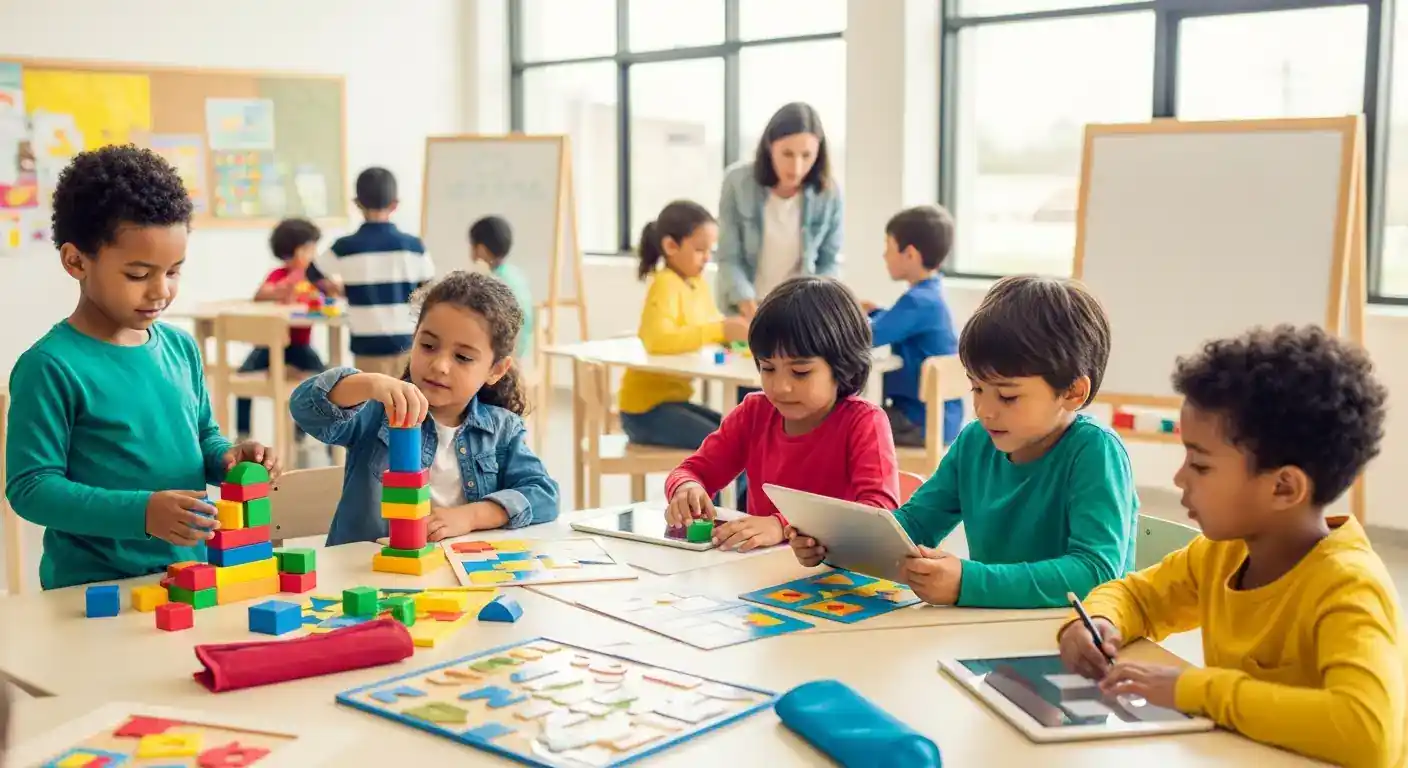
Ensuring the safety and well-being of our children at school is a paramount concern for every parent and guardian. In an increasingly complex world, school safety strategies must evolve to address a wide range of challenges, from traditional playground bullying to the more insidious threats of cyberbullying and unforeseen environmental hazards. This comprehensive guide provides actionable insights and practical advice on protecting your child from bullying and hazards, fostering a secure and positive learning environment where every student can thrive without fear.
Our goal is to empower you with the knowledge and tools to proactively safeguard your child, promoting resilience and awareness. By understanding the multifaceted aspects of school safety, parents can become active participants in creating a safer community for all students. This article delves into effective communication, digital literacy, and collaboration with school authorities, offering a holistic approach to child safety at school.
Key Points for School Safety
- Open Communication: Establish a strong dialogue with your child about their school experiences.
- Digital Literacy: Equip children with skills to navigate online interactions safely and prevent cyberbullying.
- School Partnership: Collaborate closely with teachers and administration on safety protocols.
- Hazard Awareness: Teach children to identify and report potential physical dangers.
- Emotional Resilience: Foster self-advocacy and coping mechanisms against bullying.
Understanding Modern School Safety Challenges
The landscape of school safety has significantly broadened beyond traditional concerns. Today, parents and educators face a dynamic array of issues that demand vigilance and adaptive school safety strategies. Recognizing these challenges is the first step in protecting your child from bullying and hazards effectively.
The Rise of Bullying: Beyond the Playground
Bullying is no longer confined to physical altercations or verbal taunts in school hallways. The digital age has introduced new forms, making it more pervasive and often harder to detect. Cyberbullying, for instance, can follow a child home, impacting their mental health around the clock. This form of aggression can manifest through social media, messaging apps, or online gaming platforms, often involving anonymous perpetrators or groups. Beyond cyberbullying, social exclusion and relational aggression are subtle yet damaging forms of bullying that can deeply affect a child's sense of belonging and self-esteem. Understanding these nuanced forms is crucial for parents to identify warning signs and intervene appropriately.
Identifying Potential Hazards in School Environments
Beyond interpersonal conflicts, schools can present various physical and environmental hazards. These range from poorly maintained facilities and playground equipment to more systemic issues like inadequate emergency preparedness or health risks. For example, a loose handrail or a cluttered hallway could pose a tripping hazard, while a lack of proper ventilation might contribute to the spread of illness. It's also important to consider the potential for stranger danger on school grounds or during commutes. Proactive identification and reporting of such issues are vital components of comprehensive child safety at school. Parents should be aware of their school's safety inspection routines and emergency contact procedures.
Proactive School Safety Strategies for Parents
Active parental involvement is a cornerstone of effective school safety strategies. By taking a proactive stance, parents can significantly contribute to protecting your child from bullying and hazards, fostering a secure environment both inside and outside the classroom.
Open Communication: The First Line of Defense
Establishing an environment of open and honest communication with your child is perhaps the most critical safety strategy. Encourage your child to talk about their day, their friends, and any concerns they might have, no matter how small. Active listening is key; pay attention not just to their words but also to changes in their behavior, mood, or sleep patterns, which could signal underlying issues. Regular conversations about what makes them feel safe or unsafe, and who they can trust, build a foundation of trust. For more information on this topic, readers can explore related articles on effective parent-child communication.
Empowering Your Child with Self-Advocacy Skills
Teaching your child to advocate for themselves is a powerful tool in preventing school bullying and navigating challenging situations. This involves helping them understand their rights, teaching them how to assertively say "no," and encouraging them to seek help from trusted adults when needed. Role-playing scenarios can be particularly effective in practicing responses to bullying or uncomfortable situations. Building resilience and self-confidence equips children to stand up for themselves and others, reducing their vulnerability. Empowering children with problem-solving skills allows them to approach difficulties with a sense of agency.
Partnering with School Administration
Parents are integral partners in creating a safe school environment. Regularly communicate with teachers, counselors, and school administrators about your child's well-being and any safety concerns you may have. Attend school meetings, volunteer, and stay informed about school policies and safety protocols. If you suspect bullying or identify a hazard, report it promptly and follow up to ensure appropriate action is taken. Collaborative efforts between home and school are essential for a robust safety net. For insights into effective school-parent collaboration, consider resources on community engagement in education.
Leveraging Technology for Enhanced Child Safety at School
In today's digital age, technology plays a dual role in school safety: it presents new challenges like cyberbullying but also offers innovative solutions for protecting your child from bullying and hazards. Integrating digital literacy into school safety strategies is non-negotiable.
Digital Citizenship and Cyberbullying Prevention
Teaching children to be responsible digital citizens is paramount. This includes understanding online etiquette, privacy settings, and the permanent nature of digital footprints. Educate them about the dangers of sharing personal information online and the importance of critical thinking when encountering online content. Discussing cyberbullying awareness and prevention strategies, such as blocking bullies, saving evidence, and reporting incidents to a trusted adult, is vital. Emphasize that online behavior has real-world consequences and that kindness extends to digital interactions.
Utilizing School Safety Apps and Communication Platforms
Many schools now employ technology to enhance safety and communication. This can include secure parent portals for announcements, emergency alerts, and direct messaging with teachers. Some schools even use specialized safety apps that allow students or parents to anonymously report concerns, from bullying to potential threats. Familiarize yourself with these tools and encourage their use. Leveraging these platforms can provide timely information and facilitate rapid response during critical situations, significantly enhancing school hazard prevention.
Emergency Preparedness and Response
Even with the best preventative measures, emergencies can occur. Therefore, comprehensive school safety strategies must include robust emergency preparedness and response plans. Knowing what to do before, during, and after an emergency is crucial for protecting your child from bullying and hazards.
Understanding School Emergency Protocols
Every parent should be thoroughly familiar with their child's school's emergency protocols. This includes understanding procedures for lockdowns, evacuations, fire drills, and natural disasters. Ask about communication plans during emergencies, designated reunification points, and how the school coordinates with local law enforcement and emergency services. Regular review of these protocols ensures that both parents and students are prepared. Schools often conduct drills, which are excellent opportunities to discuss these procedures with your child.
Home Safety Plans and Drills
Complementing school protocols, having a family emergency plan at home is equally important. Discuss various scenarios with your child, such as what to do if they cannot reach you, who their emergency contacts are, and a designated meeting place. Practice drills for different situations, like fire or severe weather, to build muscle memory and reduce panic. Consistency in practice helps children feel